
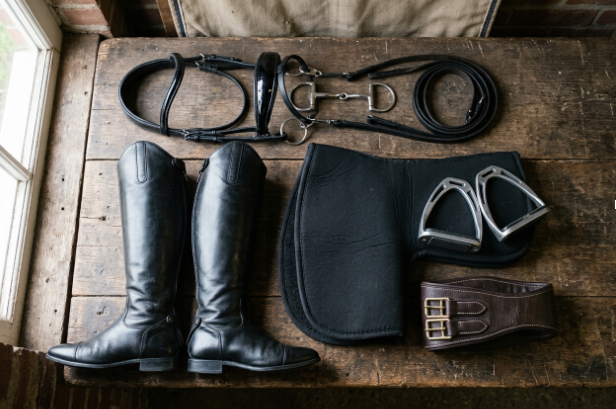
Choose by job, not by logo. Kingsley leads for tall boots; Frank Baines, Custom Saddlery, Kieffer and Wintec cover the horse saddle; Thinline handles saddle pads; UNIQ Bridles covers the bridle; Tech Stirrup makes the stirrups; Sankey Saddles supplies girths and leathers; and Catago looks after rugs and leg care.
Choosing horse riding gear and accessories in Australia may feel like wandering into a tack room with the lights off. Every rider has a favourite, every brand has loyal fans, and a poor purchase costs you comfort, confidence and plenty of dollars. This guide narrows the field to ten brands worth knowing, covering equestrian riding boots, saddle pads, a horse bridle, stirrups, rugs and the saddlery that ties it all together.
How These Brands Were Chosen
Each brand below makes gear that Australian riders can buy through specialist saddlery stockists.
Four filters shaped the list:
• Depth in one category: A clear speciality beats a scattergun range.
• Adjustability: Options that adapt as your horse or your body changes.
• Build quality: Sound materials, stitching, and hardware.
• Fit support: Access to measuring, sizing, or fitting help.
The order follows gear category, not a price or popularity ranking.
Top 10 Horse Riding Gear & Accessories Brands at a Glance
| Brand | Best known for | Gear category | Best suited to |
| Kingsley | Made-to-measure tall boots | Equestrian riding boots | Dressage and jumping riders |
| Frank Baines | Hand-built British saddles | Dressage saddle | Riders wanting a close seat |
| Custom Saddlery | Adjustable fit | Horse saddle | Competition horses in changing shape |
| Kieffer | German leatherwork | Saddlery | Riders building a matched set |
| Wintec | Synthetic saddles | Horse saddle | Pony club and school horses |
| Thinline | Foam half pads and shims | Saddle pads | Fine-tuning saddle balance |
| UNIQ Bridles | Customisable styling | Horse bridle | Riders wanting a personal look |
| Tech Stirrup | Angled aluminium irons | Stirrups | Riders with lower-leg tension |
| Sankey Saddles | Shaped leather girths | Girths and leathers | Dressage riders |
| Catago | Ceramic-fibre fabrics | Horse rugs and leg care | Travelling competition horses |
The Top 10 Brands, Category by Category
Each entry explains what the brand does best, who it suits and what to check before you buy. Read the ones that match the gap in your current kit, then use the checklist further down to confirm you are choosing for your horse rather than for the label.
1. Kingsley: Equestrian Riding Boots
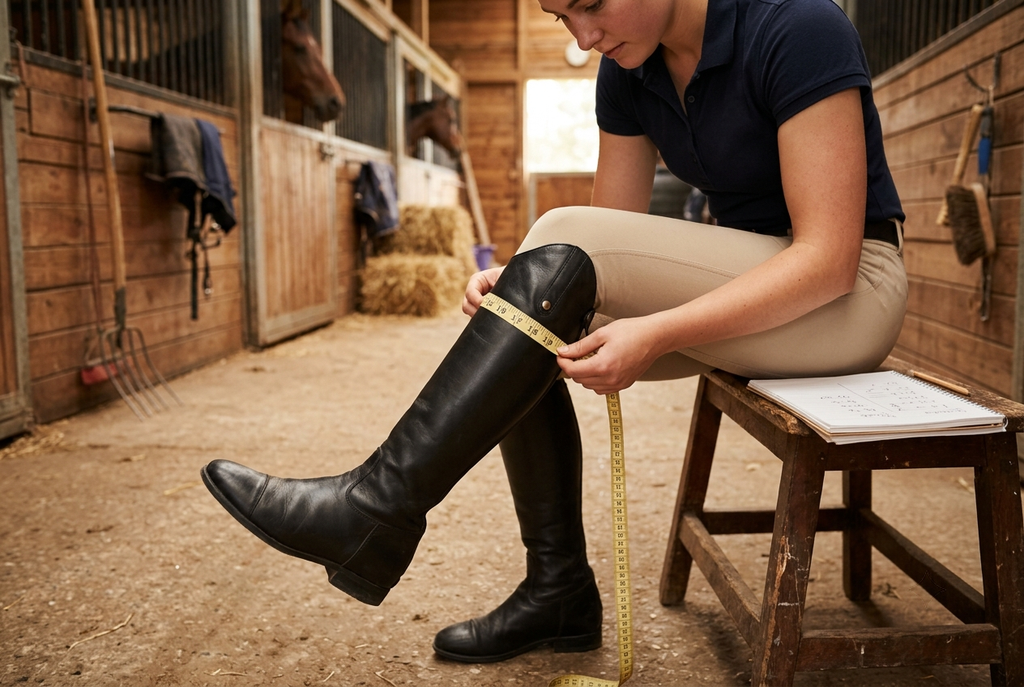
Kingsley builds tall equestrian riding boots by hand in Portugal, and its made-to-measure approach is the main drawcard. Orders are shaped around your shoe size, calf circumference, and leg height, which removes the compromise of off-the-rack sizing. Dressage, jumping and field styles are all available. If your calves have ever fought a stiff boot, a custom pair is worth the wait and the higher outlay. Check out this guide to equestrian riding boots to know the options in more detail.
2. Frank Baines: Dressage Saddle
This Walsall, England saddlery has been family-run since 1980 and is known for hand-built saddles across dressage, jumping and eventing. A Frank Baines dressage saddle suits riders who want a close, balanced seat and a classic British finish. Every horse is built differently, so treat the model as a starting point and book a proper fitting before you commit. Ask about flap length, seat depth, and block options too, because a dressage saddle that feels perfect for a long-legged rider can feel cramped on a shorter one.
3. Custom Saddlery: Adjustable Horse Saddle
Custom Saddlery focuses on saddles that adapt to the horse instead of forcing the horse to adapt. Adjustable trees and changeable panels let a qualified fitter refine the shape as muscle develops. Its sister line, Aviar, offers a modern take on the same idea. It is a smart pick for competition horses whose topline shifts through the season. Our horse saddle buyer guide covers what to ask before you buy, so feel free to check it out.
4. Kieffer: Classic Saddlery
Founded in Munich in 1848, Kieffer is among the older names in German saddlery. Beyond saddles, it supplies bridles, girths and stirrup leathers in soft leather with reinforced construction. Riders who like a matched set from a single maker will find plenty to choose from, and the range sits comfortably alongside both traditional and modern tack. Shorter girths and soft stirrup leathers are popular entry points if you want to sample the saddlery without replacing everything at once.
5. Wintec: Practical Synthetic Saddles
Wintec is the sensible option when weather, budget or a growing pony make leather impractical. Its synthetic saddles are light, easy to wipe clean and built around changeable gullet plates, so the width can be altered without a trip to the workshop. Matching girths and stirrup leathers are available too. It suits pony club riders, school horses and anyone returning to the sport.
6. Thinline: Saddle Pads and Shims
Thinline specialises in slim foam saddle pads and trim-to-fit shims that sit between saddle and back. A half pad can cushion impact and fine-tune balance between professional fittings, but it cannot rescue a saddle that is the wrong shape. Treat it as a tool for small adjustments, not a repair. If you want to know how to match a pad to your horse, check out this saddle pad guide.
7. UNIQ Bridles: Customisable Horse Bridle
A horse bridle should look sharp, but comfort comes first. UNIQ Bridles, a Dutch label, offers a build-your-own approach where leather, colour and styling details are chosen to suit your horse’s head. That flexibility appeals to riders who want an individual look in the arena without giving up anatomical design. Check noseband and bit rules for your competition class before ordering, and measure your horse’s head so the cheekpieces, browband and noseband are sized correctly the first time.
8. Tech Stirrup: Angled Stirrups
Tech Stirrup makes patented aluminium stirrups in Italy, with angled treads intended to help heels sit lower, and ankles stay softer. Models exist for dressage, jumping and cross-country, and some feature quick-release safety designs. If your lower leg swings or your knees ache after a long session, a better set of stirrups is one of the simplest upgrades worth testing.
9. Sankey Saddles: Girths and Leathers
Sankey is best known for leather girths, stirrup leathers, and saddlery shaped with careful attention to the elbow area. Cut-away girth designs leave room for movement behind the horse’s shoulder, which many dressage riders appreciate. A girth is a safety item, so inspect the stitching and buckles regularly. Pair it with stirrup leathers from the same maker if you like a consistent finish across your saddlery.
10. Catago: Horse Rugs and Leg Care
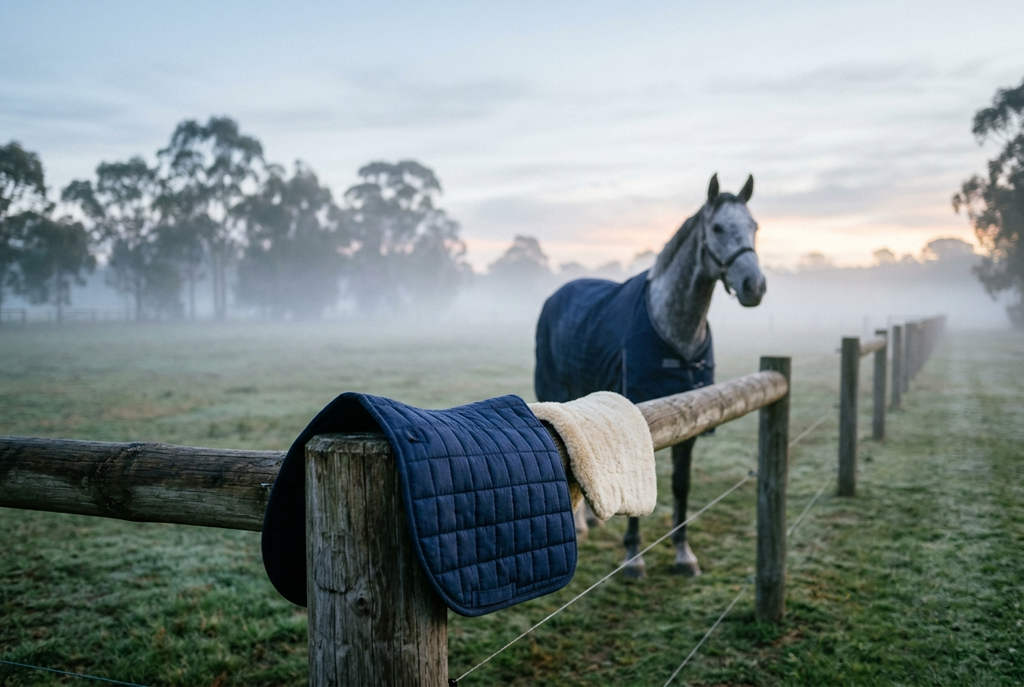
Danish brand Catago rounds out the list with horse rugs and protective leg boots made from ceramic-fibre fabric, designed to support warm-up and recovery routines. It suits competition horses that travel often or stand in changeable weather. Australian weather can swing from frosty mornings to warm afternoons in a single day, so look for rugs that breathe as well as insulate. Whichever rug you choose, measure carefully and check the fit across shoulders and chest. Our horse rugs fitting guide will assist you in walking through the steps further.
Checklist: How to Choose Horse Riding Gear That Suits You
Run through this list before anything goes into your cart:
• Measure first. Record calf, foot, and leg length for yourself, plus girth, back length, and rug length for your horse.
• Match your discipline. Dressage, jumping, and trail riding call for different boots, saddle flaps, and stirrup angles.
• Check adjustability. Gullet plates, shims and made-to-measure options extend the life of gear as bodies change.
• Start with the saddle. Pads, girths and stirrups should follow a well-fitting saddle, not compensate for one.
• Inspect safety items. Girths, stirrup leathers and buckles need regular checks for wear.
• Ask about fitting support. Choose stockists who can measure and adjust in person.
• Compare long-term cost. A well-made item that lasts several seasons often beats repeated cheap replacements.
• Confirm competition rules. Check boot, bridle, and noseband requirements with your governing body.
Why Fit Matters More Than the Badge
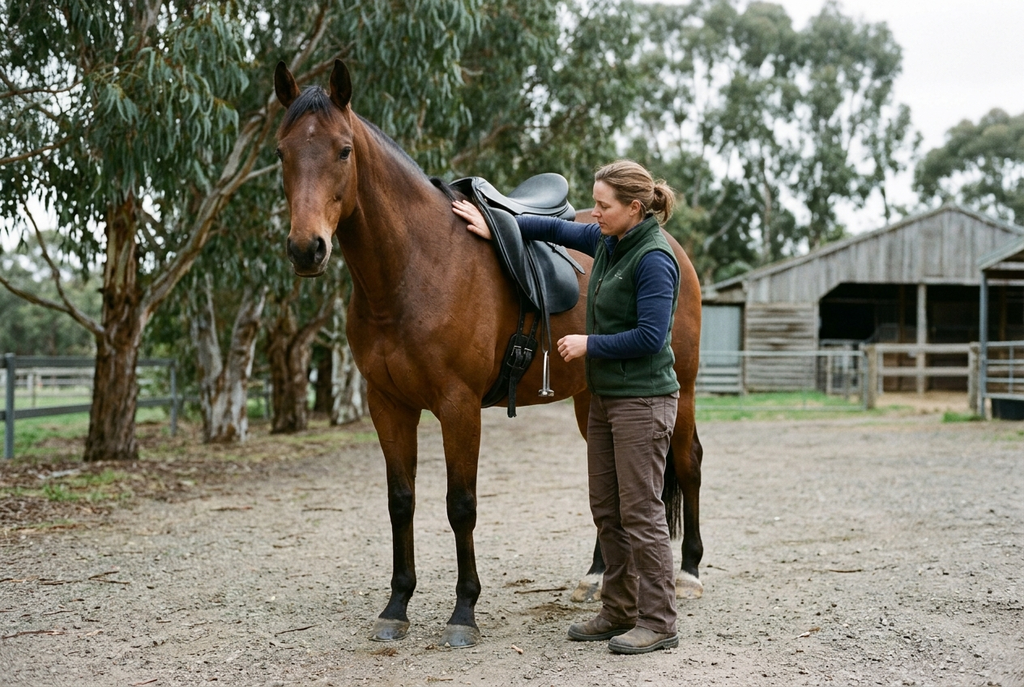
Even the best horse saddle fails if it does not suit your horse’s back. A good fitting assesses conformation, takes measurements, checks the saddle standing still and under saddle, then adjusts and flocks where needed. A thorough session also leaves you with a plan for follow-up checks, which matters because a young or changing horse can alter shape within a few months.
Buying Smart in Australia
Whichever brand you choose, the Australian Consumer Law gives you automatic guarantees on goods, including acceptable quality and a match to their description; the ACCC explains how these work on its consumer rights and guarantees page. Ask any stockist about sizing, returns and after-sales support before you pay.
Three Buying Mistakes to Avoid
- Buying accessories before the saddle fits. Pads and shims can hide a problem for a while, but they will not fix a poor match.
- Choosing by colour or trend alone. A stylish bridle or rug still needs to suit your horse’s head, shoulders and climate.
- Ignoring wear. Leather stretches, stitching loosens and foam compresses over time, so schedule regular checks of anything that holds you on the horse.
Getting these three right saves more money than any sale ever will.
Frequently Asked Questions
There is no single best brand. The right choice depends on the item: Kingsley for tall boots, Thinline for saddle pads, Tech Stirrup for stirrups, and a properly fitted saddle from a maker such as Frank Baines or Custom Saddlery.
You need a helmet that meets the current Australian standard, boots with a small heel, comfortable riding pants, and gloves. Your instructor usually supplies the saddle and bridle until you decide to buy your own.
Often yes, particularly if standard sizes never fit your calf or foot. Made-to-measure boots cost more upfront, but with good care they can last for years, which narrows the gap against repeated replacements.
Yes, for any significant saddle purchase. A fitter checks how the saddle sits on your horse’s back at rest and in motion, then adjusts it as the horse’s shape changes. A check every six to twelve months is a sensible habit.
A saddle pad covers the whole area under the saddle and protects the saddle and coat from sweat. A half pad is a thinner, shaped layer under the panels that adds cushioning or small fit corrections.
Measure from the centre of the chest, along the side of the body, to the back of the hindquarters. Then check that the shoulders move freely and the neck is not rubbed.
They suit many riders, especially for school horses, wet weather and tight budgets. Leather often offers a closer feel and more custom options, but fit matters far more than material.
Match Your Gear to Your Horse
Still weighing up your options? Browse the horse range, read more on our blog, or get in touch when you are ready to talk fit. There is no rush! Good gear is worth choosing slowly.