
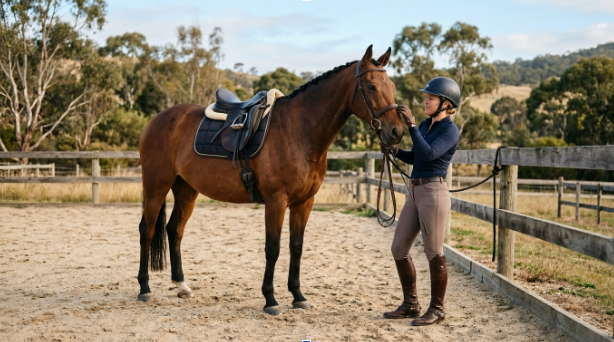
Horse riding wear refers to the clothing, footwear and protective equipment worn by riders to stay comfortable, maintain freedom of movement and ride with confidence. Whether you’re learning to ride, enjoying regular trail rides or preparing for a competition, the right gear can make a real difference to your comfort and overall riding experience.
That is why choosing suitable horse riding wear is crucial because poorly fitting clothing or inappropriate footwear can restrict movement, cause discomfort, and make it harder to ride safely. The best choice largely depends on your riding discipline, fit requirements, weather conditions, and the level of protection needed for your activity.
Your clothing needs to feel comfortable in the saddle, suit the way you ride, and work with the weather, whether you are heading to a lesson, schooling during the week, or preparing for a competition. Also, the right footwear and protective equipment matter just as much as the clothes you choose.
For Australian riders, a practical wardrobe should balance comfort, fit, durability, and the requirements of the riding discipline. This guide explains what to buy first, how to choose equestrian riding boots, what to check before purchasing a helmet, and which accessories deserve attention as your riding develops.
What Does Horse Riding Wear Include?
Horse riding wear, also called equestrian apparel or riding attire, includes the clothing and footwear worn by the rider. Depending on the activity, it can include breeches, jodhpurs, riding tights, shirts, jackets, gloves, boots and appropriate protective equipment.
However, not every rider needs a competition wardrobe. Someone riding once a week may prioritise comfortable trousers, suitable footwear and a correctly fitted helmet. A regular competitor may also need discipline-specific clothing, tall riding boots and accessories that meet the current competition rules.
So, the best starting point is to identify how often you ride, which discipline you participate in and what you already own. This prevents you from buying specialist items before you need them.
Horse Riding Wear Checklist for Australian Riders
A practical riding outfit combines secure footwear, comfortable clothing and suitable protection. You may use this checklist when building or reviewing your kit:
- Protective helmet: Choose an appropriately fitted equestrian helmet and verify the currently accepted standard for your riding activity or competition.
- Long riding trousers: Choose comfortable breeches, jodhpurs or riding tights that allow movement and help minimise friction against the saddle.
- Suitable riding boots: Look for an appropriate heel, a suitable sole and a fit that works with your stirrups.
- Comfortable top: Choose a close-fitting shirt or suitable riding layer without loose elements that may catch on equipment.
- Gloves: Consider riding gloves for rein grip and comfort, especially during frequent schooling or longer rides.
- Weather protection: Carry suitable layers for changing temperatures, wind, or rain, and consider sun protection during outdoor riding.
- Competition extras: Check the required clothing, footwear, and protective equipment for your discipline and level before buying.
Note: This is a general planning checklist, not a replacement for riding-school instructions, professional fitting, or competition regulations. Your requirements may differ depending on the activity and venue.
How to Choose Equestrian Riding Boots
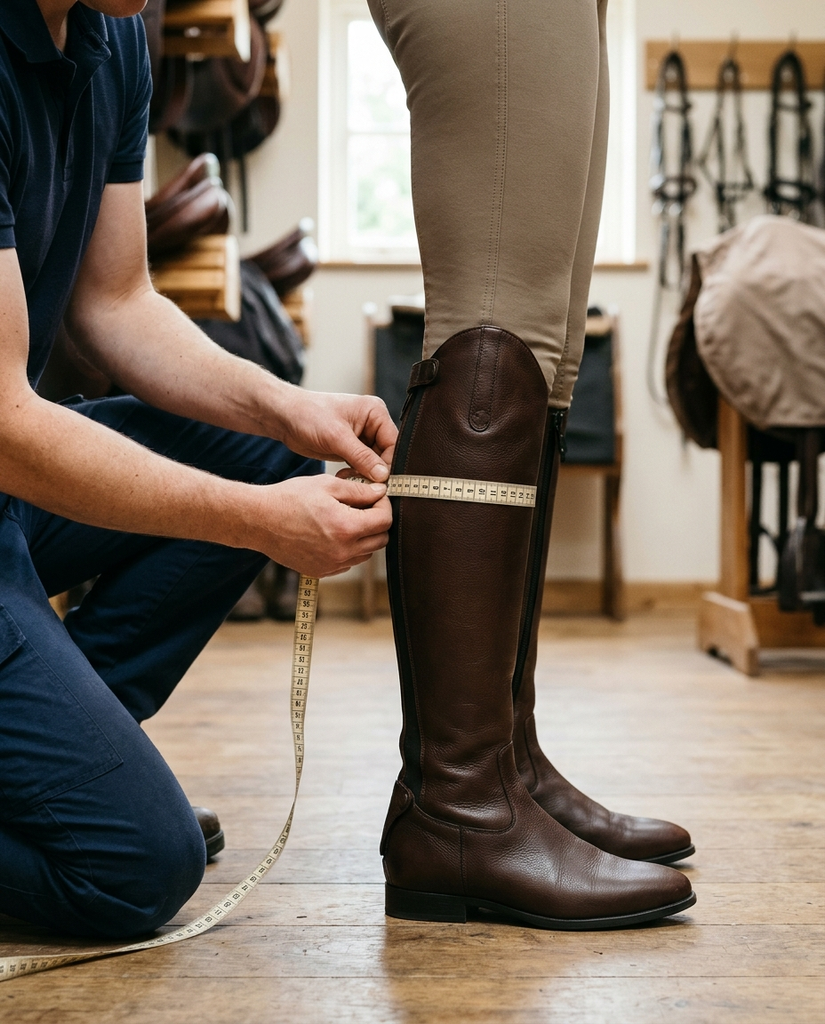
Equestrian riding boots deserve particular attention because they must suit your feet, legs, and riding activity. The right choice depends on fit, the shape of the boot, how regularly you ride, and whether you need everyday footwear or competition attire.
Tall Boots, Paddock Boots and Riding Shoes
Tall riding boots extend towards the knee and are commonly selected for formal turnout and regular arena work. They offer a continuous boot shaft along the lower leg, with the precise design and fit varying by model and discipline.
Paddock boots, also known as short riding boots, finish around the ankle. They are a practical option for everyday riding and can be worn with compatible half-chaps when additional lower-leg coverage is wanted. Check your discipline’s rules before relying on this combination for competition.
Riding shoes and low-cut equestrian footwear are different from tall boots. Choose riding footwear designed for the activity rather than substituting ordinary fashion shoes or general-purpose footwear without checking their suitability around stirrups.
Note: Remember, search phrases such as “Equine Riding Boots”, “Riding Shoes Horse” and “Horse Riding Riding Boots” can be ambiguous. So, check the product description to establish whether you are buying footwear for the rider or protective boots worn by the horse.
Getting the Right Riding Boot Fit
Foot length is only one part of the fitting process. Tall riding boots also need to accommodate calf circumference, ankle shape, and leg height. A pair that fits around the foot may still feel too tight at the calf or sit incorrectly behind the knee.
So, before ordering, check the manufacturer’s size chart and measure according to its instructions. Wear the type of riding socks you expect to use, and consider how your measurements relate to the chosen boot design.
- Check foot length and width using the manufacturer’s guide.
- Measure calf circumference and leg height as directed.
- Consider ankle width, closure placement, and any areas of pressure.
- Confirm how the boot should fit when standing and moving.
- Review return, exchange, and custom-order conditions before paying.
Standard-size boots work well for many riders. If you have unusually narrow ankles, wider calves, or non-standard leg proportions, a custom option may be worth investigating. A custom boot order involves more than selecting a shoe size, so confirm the required measurements and ordering process before committing.
To compare relevant options, you may check out this equestrian riding boots guide.
Choosing an Equestrian Helmet Safely
An equestrian helmet is an essential part of planning your riding outfit. It should fit correctly, be secured as instructed by its manufacturer, and meet the standard accepted for your particular riding activity. A helmet that is too loose, damaged or unsuitable for your event should not be treated as adequate protection.
For affiliated competition, check the latest Equestrian Australia helmet-standards guidance before purchasing or using a helmet. Accepted standards and transition arrangements are changing, so older articles and product descriptions may not reflect the current requirements.
Also, inspect your helmet regularly and follow the manufacturer’s instructions for care, replacement and impact damage. If it experiences an impact, seek the manufacturer’s guidance about replacement rather than relying on the absence of visible damage. For additional information about protective equipment and safe horse handling, you may consult WorkSafe Victoria’s sports and recreation safety guidance.
Note: Competition clothing and protective equipment are not interchangeable. Verify the rules for your discipline and level instead of assuming that one outfit or helmet specification applies to every event.
Horse Riding Wear for Different Disciplines
The right clothing depends on what you do in the saddle. However, the following table provides a general starting point and is not a substitute for the current rules of an event.
| Riding activity | Clothing to consider | What to check |
| Everyday schooling | Comfortable breeches or riding tights, suitable boots and a practical riding top | Freedom of movement, grip, footwear suitability and weather |
| Dressage | Discipline-appropriate breeches, riding boots and competition attire when required | Current dress, footwear and protective-headgear rules for your level |
| Showjumping | Comfortable riding trousers, appropriate boots and event-specific competition clothing | Current clothing and protective-equipment requirements |
| Eventing | Clothing suited to each phase, suitable riding footwear and required protective equipment | Different rules may apply to dressage, showjumping and cross-country |
| Trail riding and hacking | Practical long trousers, suitable footwear, weather layers and sun protection | Changing conditions, comfort over time and the rules of your riding area |
Note: For competition, check the relevant rulebook before purchasing expensive show clothing. Rules can differ by discipline, event type and level, so a photograph of another rider’s outfit is not enough to establish what is permitted.
Dressing for Australian Riding Conditions
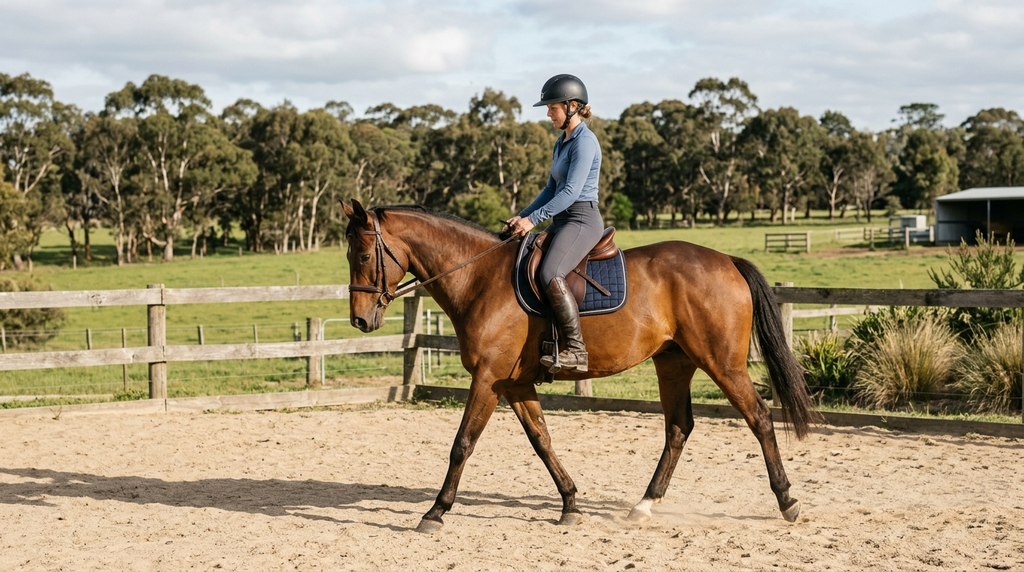
Rider clothing is only one part of the overall setup. Saddlery, including a horse bridle, saddle, girth, and stirrups, must be suitable for the horse and activity. These items should be selected and maintained according to their purpose rather than chosen to match the rider’s clothing.
Saddle pads sit between the saddle and the horse. Their shape, construction, and suitability should be considered alongside the saddle fit; adding padding is not automatically a solution to a fitting problem. Read the saddle pad guide when comparing options.
Horse rugs serve a different purpose from riding apparel. The appropriate rug depends on conditions, the horse, and the particular design. You can explore the horse rug range when reviewing your horse’s seasonal equipment.
Likewise, stirrups and stirrup leathers should be checked for suitability, condition, and compatibility.
How to Build Your Riding Kit Without Overspending
You do not need to purchase a complete competition wardrobe when starting out. Prioritise the essentials for your current activity, then upgrade as your skills, riding frequency and competition goals develop.
- Starting out: Confirm your riding school’s requirements and prioritise suitable protective equipment, long trousers and riding footwear.
- Riding regularly: Look for improvements in fit, comfort, ease of care and suitability for your typical sessions.
- Competing: Check the dress code and equipment rules before investing in specialist attire.
- Upgrading footwear: Compare construction, fit, measurements, custom options and the conditions attached to the order.
Price should be considered alongside use, fit, and maintenance. The most expensive item is not automatically the best choice for every rider, and a lower-priced option is not necessarily good value if it does not suit your needs.
After riding, remove dirt and follow the manufacturer’s cleaning instructions. Allow footwear and clothing to dry appropriately, store leather away from excessive heat, and inspect closures, stitching, and soles. Though care will not make equipment last indefinitely, it can help you notice wear and look after your investment.
Frequently Asked Questions About Horse Riding Wear
Wear a correctly fitted, suitable riding helmet, long comfortable trousers and riding footwear appropriate for the activity. Gloves and weather-appropriate layers can help with comfort. Check your riding school’s instructions and the current competition rules where applicable.
Neither is best for every rider. Riding tights often appeal to people who prefer stretch and a flexible feel, while breeches come in different constructions and grip options. So, choose according to your fit preferences, riding activity, care requirements, and any competition rules.
Riding boots should suit your foot, ankle, calf, and leg height without uncomfortable pressure or excess movement. Follow the manufacturer’s sizing instructions, including how to measure calf circumference and leg length, and check the intended use of the boot before buying.
Affiliated competitions have specific protective headgear rules. So, check the latest Equestrian Australia requirements for the event and discipline, including the accepted standard and any tagging requirements.
Rider boots are worn by the person riding the horse, and equine leg boots are protective equipment worn by the horse. However, remember that product descriptions matter, particularly when searches use ambiguous phrases such as “riding shoes horse” or “horse riding riding boots”.
Custom riding boots are available through specialist ordering pathways, depending on the retailer and product. Before ordering, check how foot, calf and leg measurements are collected, which options can be customised, the expected ordering process and the applicable returns or exchange conditions.
Both disciplines can have specific competition clothing and protective-equipment requirements, which vary by event and level. Use comfortable, suitable riding wear for training and consult the current rulebook before purchasing formal attire for competition.
Find Horse Riding Wear That Suits Your Needs
The best equestrian apparel is the gear that suits your riding, fits properly, and meets the requirements of your activity. Start with the essentials, pay close attention to footwear fit, and check current safety and competition guidance before making specialist purchases.
Also, do not forget to browse the available rider accessories and riding gear on the official website of Cheval Sport, and explore the riding boot guide, or make an enquiry if you need information about a specialist boot order.