
Saddle pads are the single most overlooked piece of equipment in an Australian rider’s kit — yet they sit directly between your saddle and your horse’s back on every single ride. Most riders replace them only when they fall apart. However, a poorly chosen pad quietly creates friction, uneven pressure, and chronic back discomfort long before any visible damage appears. Furthermore, Australia’s climate adds variables that riders in cooler countries simply never have to consider — from sweat management during scorching Victorian summers to breathability requirements across Queensland’s humid riding seasons. Whether you ride dressage, jumping, or western, the pad you choose affects your horse’s comfort, movement quality, and long-term soundness in ways that go far beyond aesthetics. This guide covers everything you need to know, so your next pad decision is the right one.
Many Australian riders select a pad based on colour or price alone. Consequently, the wrong pad quietly creates friction, uneven pressure, and chronic back discomfort in horses. Performance suffers long before the problem becomes visible.
According to Equestrian Australia guidelines on horse welfare, equipment fit plays a direct role in a horse’s movement quality and long-term soundness. Furthermore, research published in the Journal of Equine Veterinary Science confirms that pressure imbalances under the saddle contribute to muscle tension, gait asymmetry, and behavioural resistance. Therefore, getting your pad selection right is not optional — it is foundational.
Additionally, Australian conditions introduce specific variables. The summer heat across Victoria, New South Wales, and Queensland means sweat management and breathability are not just comfort features — they are essential for preventing skin irritation and fungal conditions. At Cheval Sport in Yan Yean, Victoria, our range is chosen with these local conditions firmly in mind.
Understanding Saddle Pad Types for Different Disciplines
Not every saddle pad suits every horse or riding style. Broadly, pads divide into discipline-specific categories. Understanding these categories first simplifies every other decision you need to make.
Dressage Saddle Pads
Dressage saddle pads are cut square or with a shaped contoured top and long side flaps. These flaps cover the extended panel area of a dressage saddle. Typically, they come in white or black. Critically, they must sit close to the horse’s back without adding unnecessary bulk. Bulk under a dressage saddle throws the rider’s position forward and restricts shoulder movement. Therefore, a thinner, high-density material works best here.
Riders competing under Equestrian Australia Dressage rules should note that pads must be white, off-white, or black at affiliated competitions. Additionally, the pad must not interfere with the saddle’s natural contact. Many dressage pads now incorporate a spine relief channel, which protects the horse’s dorsal spinous processes during collected work.
Jumping Saddle Pads
Jumping saddle pads have a shorter, shaped profile that mirrors the forward-cut flap of a jumping saddle. Consequently, riders enjoy full freedom of movement through the knee without a pad edge interfering. These pads handle more sweat and friction per session because jumping work demands dynamic movement and frequent transitions.
Shock absorption matters particularly with jumping pads. Look for pads with gel inserts or memory foam layers near the front panels, since landing from a fence generates significant impact force. For horses competing regularly across Australian show jumping events, durability and washability are equally important.
Western Saddle Pads
Western saddle pads are larger and thicker than English equivalents. They compensate for the greater weight of a western saddle and often serve as the primary cushioning layer. Many western pads use wool felt, which moulds gradually to the horse’s back shape over time. This moulding effect improves fit progressively with regular use. Explore our saddle pad collection for discipline-specific options suited to Australian riders.
General Purpose and All-Round Pads
General purpose pads work across flat work, light jumping, and trail riding. They suit recreational riders who do not compete in a specific discipline. However, serious competitors usually find that a discipline-specific pad provides noticeably better results.
How to Get Saddle Pad Fit Right Every Time
Saddle pad fitting is frequently oversimplified. Many guides say simply to measure your saddle and match the size. However, correct fit involves more variables than saddle size alone.
The Saddle-First Rule
Always fit your saddle correctly before choosing your pad. A pad cannot compensate for a poorly fitted saddle. Instead, the pad should complement a well-fitted saddle. According to the Master Grooms Association, riders who try to correct saddle fit problems with thicker pads often worsen pressure distribution rather than improve it. Therefore, address saddle fit first, always.
Checking Wither Clearance
The pad must create a clear channel along the horse’s spine. When the saddle sits on top of the pad, light should be visible through the spine channel from front to back. Any pad that collapses and contacts the dorsal spinous processes creates chronic discomfort. Furthermore, this contact worsens during collected work when the horse’s back rises under the rider’s weight.
Saddle Pad Sizing Guide
As a general reference, pad sizes correspond roughly to saddle sizes. However, always measure the actual panel length of your saddle rather than relying only on the seat size label. The pad should extend at least 5cm beyond the saddle panel on all sides. This extension prevents edge rubbing on the horse’s skin during movement.
Ultimately, if you are unsure about sizing, take your saddle along when purchasing a pad. Our team at Cheval Sport can help you match pad sizing correctly to your specific saddle and horse.
Materials and Breathability for Australian Conditions
Material selection directly affects breathability, moisture management, durability, and horse comfort. Moreover, Australian summers create specific demands that riders in cooler climates simply do not face. Choosing the wrong material leads to heat retention, excessive sweating, and skin irritation under the saddle.
Wool Naturally breathable. Wicks moisture efficiently. Moulds to back shape over time. Ideal for Australian heat. | Cotton Affordable and washable. Good airflow. Less durable than technical fabrics under heavy use conditions. | Neoprene Non-slip and easy to clean. However, retains heat significantly. Best avoided in hot Australian summers. |
Memory Foam Superior pressure distribution. Excellent for horses with back sensitivity. Pairs best with a breathable outer cover. | Gel Inserts Targeted shock absorption. Often used near the front panels of jumping pads. Slightly heavier than foam alternatives. | Technical Polyester Moisture-wicking. Lightweight. Highly washable. Increasingly popular in Australian competition circles. |
Why Breathability Matters Specifically in Australia
During summer sessions in Victoria or Queensland, a horse’s core temperature rises rapidly under sustained work. Trapped heat and moisture under a non-breathable pad accelerates fatigue and skin irritation. Furthermore, prolonged sweat contact without proper wicking causes dermatitis and bacterial skin infections.
Wool and technical polyester blends consistently outperform neoprene in Australian conditions. Wool, in particular, regulates temperature in both directions — wicking heat away in summer and providing insulation during cooler Victorian mornings. According to Australian Wool Innovation, wool fibres can absorb up to 30% of their own weight in moisture without feeling wet against the skin. This property makes wool saddle pads especially practical for year-round riding across Australia’s variable climate zones.
“A breathable saddle pad in Australian summer conditions is not a luxury — it is a basic requirement for any horse working regularly under saddle.”
For horses that sweat heavily, look specifically for pads labelled as moisture-wicking or featuring a mesh or open-weave fleece lining. Additionally, anti-microbial treated fabrics reduce odour and bacterial growth between wash cycles. Browse our horse care products for complementary items that support skin health alongside the right pad selection.
Thickness, Pressure Distribution, and Horse Comfort
Saddle pad thickness is one of the most debated topics in equestrian communities. However, the answer is rarely “thicker is better.” Instead, appropriate thickness depends on the saddle fit, the horse’s back conformation, and the discipline being ridden.
The Relationship Between Thickness and Saddle Tree Width
Adding a very thick pad under a correctly fitted saddle effectively narrows the gullet channel relative to the horse’s withers. Consequently, a saddle that fits perfectly on the horse’s bare back may pinch at the withers once a 40mm pad is inserted. Therefore, saddle fitting should always account for the thickness of your chosen pad before decisions are finalised.
As a practical guideline, 15mm to 20mm suits a well-fitted saddle on a horse without specific back concerns. Horses with prominent withers or post-injury back sensitivity often benefit from 25mm to 35mm memory foam or gel options. Always consult your saddle fitter when changing pad thickness significantly.
Memory Foam Pads for Horses with Back Soreness
Memory foam distributes load more evenly than standard foam or cotton wadding. Furthermore, it responds dynamically to the horse’s movement, adjusting pressure in real time across the panel contact area. This quality makes memory foam particularly valuable for horses recovering from back muscle injuries or carrying asymmetric muscle development.
However, memory foam retains more heat than wool or cotton. Therefore, in Australian summer conditions, choose a memory foam pad with a technical mesh or wool outer cover to allow airflow. Additionally, check that the pad includes a proper spine channel, since solid memory foam pads without a channel can contact the spinous processes during work.
Our saddle range at Cheval Sport pairs well with orthopedic pads designed to support back health during rehabilitation and daily riding work.
Shaped vs Square Pads: What Actually Makes the Difference
The shaped vs square debate is genuinely relevant to horse comfort and rider experience. Moreover, it is frequently dismissed with oversimplified answers online. Understanding the real differences helps you make a more informed choice for your specific horse.
| Shaped / Contoured Pads • Follow the natural curve of the horse’s back • Reduce bunching behind the withers • Better wither clearance for high-withered horses • Common in dressage and jumping applications • Often include a pre-formed spine channel • Typically slightly more expensive to purchase | Square / Flat Pads Versatile and straightforward to position correctly Common in western riding applications Easier to find in larger size ranges May bunch at the wither on some horses Often a less expensive entry-level option Suitable for horses with moderate withers |
Ultimately, shaped pads suit most modern English discipline horses better. The anatomical cut reduces excess fabric behind the wither that is common with square pads on short-backed horses. Additionally, shaped pads sit more securely under the saddle during dynamic work, which reduces slippage and minimises pad-related pressure shifts across the session.
Square pads, however, remain the practical choice for western disciplines and for riders needing maximum coverage and pad area. Furthermore, many Australian stock horse riders prefer the traditional aesthetic of a square pad for hack and working events.
Managing Sweat and Heat Under the Saddle in Australia
Australia’s climate produces conditions that challenge horse and rider alike. During peak summer periods across Victoria, New South Wales, and South Australia, ambient temperatures frequently exceed 35 degrees Celsius. Under saddle, the microclimate between pad and horse skin can be significantly hotter still.
Why Sweat Management Is a Health Issue, Not Just Comfort
Sweat left to dry repeatedly on an unwashed pad creates a hardened, abrasive surface. Over time, this surface causes friction burns and girth galls in the saddle area. Moreover, the salt and protein content of horse sweat degrades synthetic fabrics more rapidly than many riders expect. Therefore, washing frequency matters as much as material quality when maintaining your pad.
Additionally, horses that sweat excessively under poorly breathable pads may begin to show resistance behaviours. These include hollowing the back when the saddle is placed, pinning ears during girthing, or irregular movement during early canter transitions. Behavioural signals often indicate equipment discomfort before any physical signs emerge.
Practical Steps for Sweat Management in Australian Conditions
- Choose wool, bamboo-blend, or moisture-wicking technical polyester as your primary pad material.
- Avoid neoprene outer covers during summer months in warmer Australian states.
- Wash pads every two to three rides, or more frequently during heavy work periods.
- Air dry pads fully before reuse — damp pads increase friction and bacterial load significantly.
- Use an anti-bacterial spray on the pad surface between washes when needed.
- Consider a thin wicking liner between the horse’s back and the main pad during intense summer sessions.
For horses that sweat particularly heavily, our horse care range includes skin-soothing products that complement good pad hygiene and reduce the risk of sweat-related skin conditions developing.
Recognising Back Soreness and Choosing a Corrective Pad
Back soreness in horses is far more common than many riders acknowledge. Furthermore, it is frequently misidentified as attitude problems, laziness, or training resistance. Understanding the physical signals allows you to intervene early with the right equipment adjustment.
Physical Signs of Back Discomfort Linked to Poor Pad Fit
- Flinching or skin twitching when the pad is placed on the back
- Dipping the back when the rider mounts
- Asymmetric sweat patterns under the pad after riding
- Reluctance to extend in trot or canter work
- Uneven muscle development along the topline over time
- Stiffness or short-striding behind after exercise
Verified Fact
Research from the RSPCA Australia indicates that saddle fit issues are among the leading welfare concerns reported in working horses across Australia. Equipment review should always be the first step when any back-related symptom appears.
How to Read Sweat Patterns for Pad Fit Feedback
After each ride, remove the saddle and pad immediately. Then examine the sweat pattern on the underside of the pad carefully. Ideally, sweat should be even across both sides of the pad. Dry spots indicate pressure points where blood flow was restricted — the pad compressed so firmly that sweat could not reach the surface. Conversely, excessively wet areas at the edges may indicate pad bridging or rocking across the back.
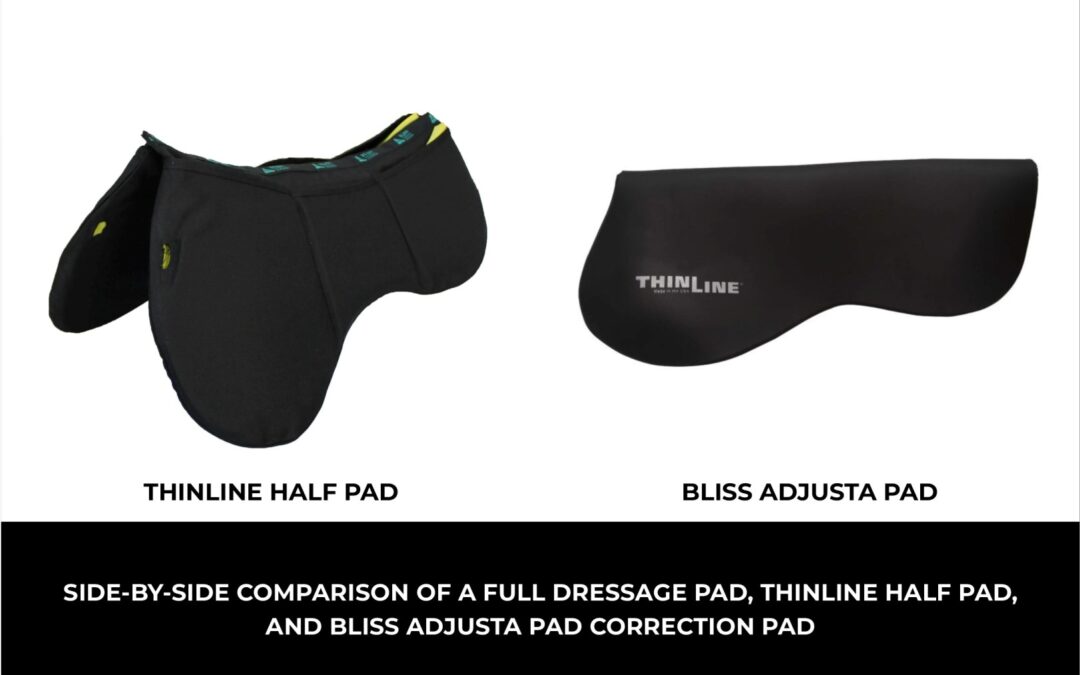
Corrective pads with adjustable shim pockets allow riders to add targeted thickness in specific areas. This approach compensates for muscle asymmetry while the horse rebuilds condition progressively. Additionally, consulting an equine physiotherapist alongside your equipment changes produces faster and more sustainable results. Review our saddle pad range for options that include therapeutic design features suited to Australian horses.
Cleaning, Maintenance, and Making Your Pad Last Longer
A quality saddle pad represents a meaningful investment. Fortunately, proper care extends its functional lifespan significantly. Moreover, a well-maintained pad continues performing as intended, whereas a neglected pad degrades in both cushioning quality and hygiene much faster than expected.
Washing Instructions by Material Type
- Wool pads: Hand wash or machine wash on a delicate, cool cycle. Avoid high-heat tumble drying. Lay flat to dry in shade away from direct sun.
- Cotton pads: Machine washable on a gentle warm cycle. Do not wring or twist the fabric. Air dry thoroughly before storing.
- Memory foam pads: Spot clean or hand wash only. Machine washing destroys foam cell structure irreparably. Air dry completely before next use.
- Neoprene pads: Rinse immediately after use with cold water. Avoid detergents that break down neoprene compounds over time.
- Technical polyester pads: Machine wash on a cool, gentle cycle. These dry quickly and should be stored flat or loosely rolled.
Storage and General Maintenance Tips
- Store pads flat or folded loosely — never compressed under heavy equipment or tack.
- Keep pads away from direct sunlight during storage to prevent UV degradation of fibres.
- Brush off loose hair and debris after each use before the next wash cycle.
- Inspect pads regularly for thinning at pressure points, torn keeper loops, or collapsed wither channels.
- Replace pads that show structural compression or surface abrasion, regardless of apparent outward cleanliness.
Paired with our leather care products, a consistent equipment maintenance routine keeps your full saddle system performing safely for years of reliable use.
Frequently Asked Questions About Saddle Pads
What is the average cost of a saddle pad in Australia?
In Australia, saddle pads typically range from AUD $30 for basic cotton options to AUD $300 or more for premium memory foam or orthopedic designs. Competition-grade dressage and jumping pads from established brands generally fall between AUD $80 and AUD $180. Pricing is indicative as of mid-2026 — always verify current pricing directly with retailers, as costs vary by material, brand, and specification.
Can you ride a horse without a saddle pad?
Technically yes, but it is not recommended for regular riding. Without a pad, the saddle contacts the horse’s back directly, increasing friction and heat. This accelerates saddle wear and raises the risk of pressure sores and skin abrasions on the horse over time.
What is the best thickness for a saddle pad?
For most horses with a correctly fitted saddle, a thickness of 15mm to 25mm provides adequate cushioning without disrupting saddle balance. Horses with prominent withers or back muscle asymmetry may benefit from 25mm to 35mm orthopedic options. Always confirm pad thickness with your saddle fitter, since adding thickness changes how the saddle sits on the horse.
How long should a saddle pad last?
A quality saddle pad, washed regularly and stored correctly, can last between two and five years under normal use. High-frequency competition use shortens this lifespan considerably. Inspect pads regularly for compressed padding, surface abrasion, or collapsed spine channels — these indicate a pad needs replacing regardless of its age.
Is a felt or wool saddle pad better?
Both materials have genuine merit. Wool excels in natural breathability, moisture wicking, and temperature regulation, making it particularly valuable in Australian conditions. Felt provides firm, even pressure distribution and moulds well over time, especially in western applications. For most Australian English discipline riders, wool or wool-blend options are the more practical daily choice.
Can you use a saddle blanket as a saddle pad?
A saddle blanket can sit under a saddle, but it does not replicate the anatomical shaping, wither channel protection, or cushioning of a purpose-built saddle pad. For regular riding, a proper pad is always the safer and more effective choice for horse comfort and back health.
How do I make my own saddle pad?
DIY saddle pads can be constructed from fleece, wool, or neoprene fabrics cut to a template matching your saddle shape. However, homemade pads rarely achieve the engineering precision of commercial designs. They may lack a spine channel, create uneven pressure, or degrade quickly under sweat and friction. If you make one, test the fit carefully before any extended use.
What is the most expensive saddle pad in the world?
Custom haute couture and orthopedic saddle pads from European luxury equestrian brands have sold for several thousand Australian dollars. These prices reflect bespoke embroidery, rare materials, and specialist biomechanical design. Standard performance pads from premium brands offer excellent function at a fraction of these prices.
When did saddle pads become popular?
Saddle pads have ancient origins. Early forms appeared in Central Asian equestrian cultures several thousand years ago. According to Wikipedia’s article on saddle pads, modern performance-oriented pads with technical materials became widespread during the latter half of the 20th century, driven by advances in synthetic foam and textile manufacturing.
How often should I wash my saddle pad?
Ideally after every two to three rides under normal conditions, and after every ride during summer or heavy work periods. Regular washing prevents sweat-salt crystal buildup that causes abrasion and removes bacteria that lead to skin conditions on the horse’s back.
Do saddle pads affect saddle fit?
Yes, significantly. Overly thick pads narrow the gullet channel effect and alter how the saddle tree sits across the horse’s back. Always fit your saddle first, then select a pad that complements that specific fit. Consult a qualified saddle fitter if you are changing pad thickness by more than 10mm from your current setup.
What saddle pad is best for a horse with a sensitive back?
Memory foam pads with a breathable outer cover and a pre-formed spine channel are widely recommended for horses with back sensitivity. These pads distribute weight more evenly than standard foam or cotton wadding and respond dynamically to movement. Pair the pad with regular equine physiotherapy for the best and most sustainable results.
Conclusion: Getting Your Saddle Pad Decision Right the First Time
Choosing the right saddle pads is ultimately one of the most direct investments you can make in your horse’s wellbeing and long-term performance. Throughout this guide, we have covered discipline-specific pad types, fitting principles, material choices for Australian conditions, thickness considerations, sweat management strategies, and maintenance practices. Each factor connects to the next. Therefore, approaching pad selection holistically — rather than in isolation — consistently produces the best outcome for both horse and rider.
Moreover, Australia’s climate adds a layer of complexity that riders in cooler climates simply do not face. Breathability, moisture wicking, and UV-resistant materials all matter more under Australian sun and conditions. Fortunately, the right product choices are readily available to Australian riders who know exactly what to look for.
At Cheval Sport, based in Yan Yean, Victoria, we stock a carefully selected range of saddle pads, saddles, bridles, horse rugs, stirrups, leather care products, and rider accessories — all chosen with Australian conditions and genuine rider needs firmly in mind. Whether you ride dressage, jumping, western, or simply enjoy weekend trail work across Victoria, our team is here to help you make the right call every time.
Reach us at contact@chevalsport.com.au or explore the full product range online at chevalsport.com.au.