
Horse riding relies on balance, coordination, suitable equipment working together properly. At heart of every ride sits the Saddle, playing key role in comfort, stability, safety for both horse and rider. Its design helps spread the rider’s weight on horseback evenly. This cuts strains and prevents discomfort. Your riding experience depends on the correct selection of saddles, wherever you are, be it beaches, bush tracks, competition arenas, etc.
Understanding saddle types, correct fitting methods, supporting equipment helps riders making better decisions about their gear. Well-matched Horse Saddle supports posture and movement, letting horse work freely without restriction or pain. When fit is wrong, discomfort often follows quickly, leading to resistance, soreness, or long-term physical dramas affecting performance.
In this blog article, before you drop cash on expensive equipment, you will get to know more about saddles and the significance of proper selection.
What Is a Saddle and Why Riders Use One
A Saddle sits on a horse’s back to support a rider safely and comfortably. Without it, weight would press directly onto a small area, placing strain on the spine and surrounding muscles. A properly designed Horse Saddle spreads that weight across stronger parts of the back while leaving the spine free.
For the rider, the saddle provides balance. Without proper saddle, riders struggle maintaining position and horses suffer unnecessary strain affecting their willingness to work. Molst of the people indulge in searching for the best saddle, not realising that fit and balance matter far more than appearance. Selecting right style supports both performance goals and safety requirements throughout riding career.
How a Horse Saddle Is Made
Although a Saddle might appear simple at first glance, each part has specific function contributing to overall performance. Understanding how these components work together supports better purchasing decisions and proper maintenance routines keeping equipment functioning correctly.
· The Tree
The tree forms the internal structure. It gives the Saddle its shape and strength. A well-made tree distributes weight evenly and clears the spine.
· The Panel
Panels sit beneath tree, providing cushioning and helping protect horse’s muscles and spine from excess pressure during riding. Quality panels make massive difference in horse comfort and willingness to move forward freely.
· The Seat
The seat supports the rider’s position. Its depth and shape influence balance. A comfortable seat allows relaxed movement without stiffness.
· Flaps and Bars
Flaps protect the rider’s legs and help maintain contact. The bars sit along the horse’s back and help spread weight evenly. Together, they influence stability and comfort.
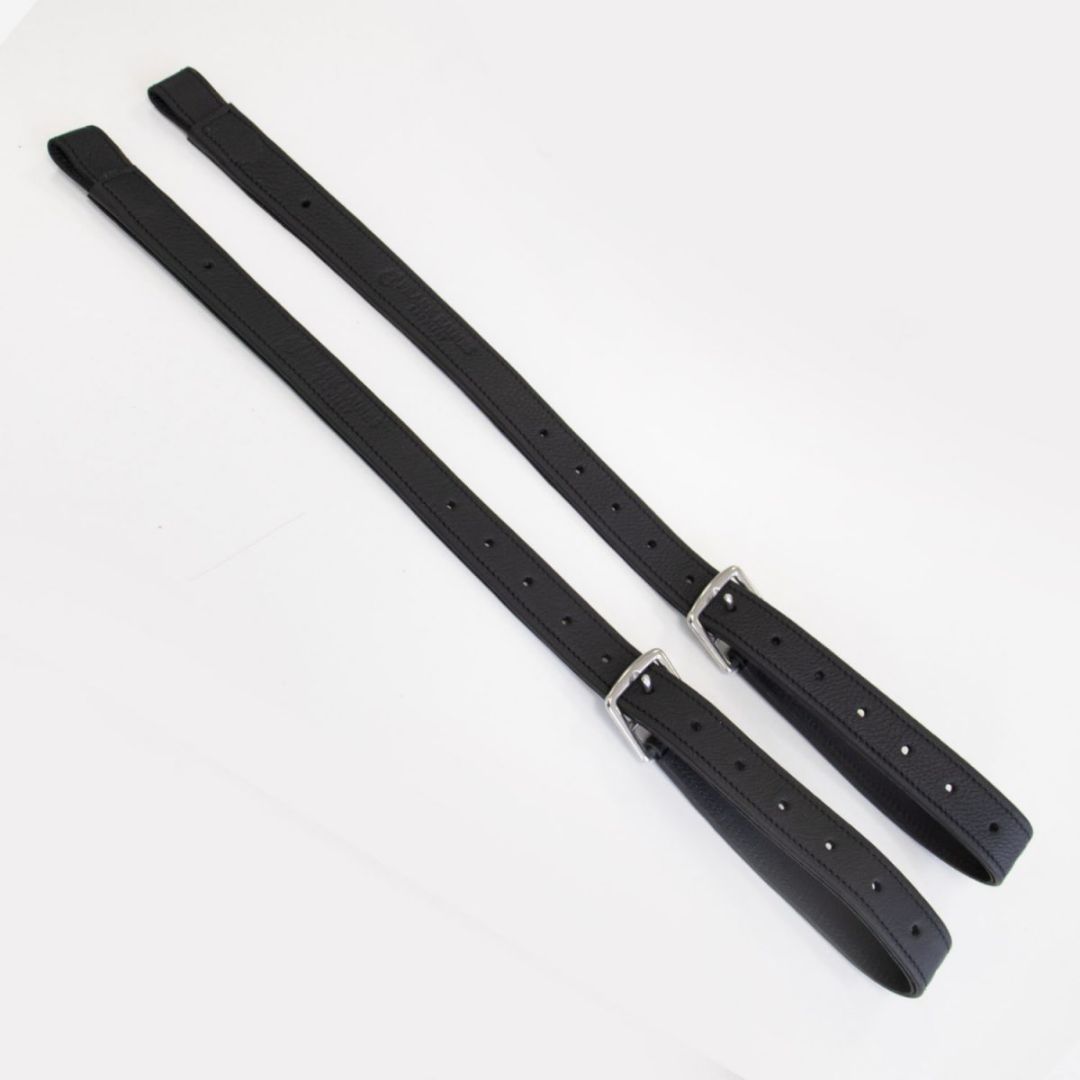
· Stirrups and Leathers
Stirrups hang from saddle providing foot support and helping rider maintaining balance during riding. Correct length improves posture and reduces strain on hips and knees.
· Cantle
At the back, the cantle provides support and a sense of security. Riders often notice its importance during sudden movements or uneven ground.
Each part may seem short, but jointly they illustrate how the Saddle feels when you use it.
Types of Saddles Commonly Used in Australia
Australian riders pick saddle styles based on terrain encountered, discipline practiced, specific purpose needed. Each Saddle type is designed with particular riding needs in mind reflecting different traditions and practical requirements.
English Saddles
English saddles suit dressage, jumping, and general schooling. They allow close contact and precise leg aids.
Western Saddles
Western saddles are built for long hours. They distribute weight broadly and provide a deep, secure seat.
Australian Stock Saddles
Stock saddles offer comfort and stability over long distances. They suit trail riding and station work especially well.
Each style exists to support specific movements and rider needs.
Why Saddle Fit Matters for the Horse
Most horses don’t react straight away when something feels wrong under a Saddle. That’s what makes fit issues easy to miss. A horse might still move forward, still respond, still do the job asked. But small changes start creeping in.
Stride length shortens without obvious reason. One rein starts to feel heavier than the other. The horse resists bending on a side that never used to be a problem. These things rarely get linked back to the saddle at first.
Pressure does not need to be extreme to cause discomfort. Even mild, uneven contact can slowly affect muscle use. Over time, the horse starts protecting certain areas. Tension builds where there should be softness.
Sweat patterns often say more than behaviour. Dry patches, ruffled hair, or uneven marks after riding usually appear before soreness becomes obvious. Riders who pay attention to these signs tend to catch problems early.
Fit also changes quietly. A horse gains strength. Loses condition. Changes shape through work or seasons. A Saddle that once felt right can stop working without anyone doing anything wrong.
When the saddle truly fits, movement feels easier. Transitions improve. The horse feels more willing. Nothing looks surprising — it just feels right.
Common Saddle Fitting Mistakes and How to Avoid Them
Many of us miss the small mistakes in a saddle. Riders often mean well but miss early warning signs.
Choosing a saddle that looks right, not fits right
Many riders focus on brand, style, or appearance first. A saddle can look perfect and still sit poorly. Always check the fit on the horse, not on a rack.
Ignoring balance once the rider is mounted
A Saddle may appear level when placed on the horse. Once the rider sits, it can tip forward or back. Checking balance with weight added makes a real difference.
Using padding to fix discomfort
Extra padding often hides problems instead of solving them. If a saddle needs thick padding to feel acceptable, the fit is usually wrong.
Assuming the horse will adapt
Horses do not “get used to” discomfort. They compensate. Over time, this compensation leads to stiffness, uneven muscle development, or resistance.
Forgetting that fit changes over time
Horses gain and lose condition. Workloads increase or decrease. Seasonal changes affect muscle tone. Regular checks prevent long-term issues.
Not watching the horse move freely
Some signs only appear in motion. Shortened strides, reluctance to bend, or difficulty picking up a lead often point back to saddle discomfort.
Avoiding the above-mentioned mistakes will definitely protect the horse and improve your ride.
Equipment That Works With a Saddle
A Saddle does not work alone. There are parts that make it comfortable and safe and sound. Let’s see what they are in the following lines-
Saddle Pads help absorb shock and reduce friction. They protect both the saddle and the horse’s back.
Girths hold the saddle securely in place. Proper adjustment prevents slipping without restricting movement.
Stirrups and Leathers support balance and leg position. Correct setup improves rider stability.
Bridles allow clear communication through reins, seat, and leg aids.
Equine Horse Rugs play a role in overall comfort. While not used during riding, they help maintain muscle warmth and condition, which affects how a saddle fits over time.
All equipment should work together without causing pressure or restriction.
Choosing a Saddle as a Beginner
Beginners often focus on how a Saddle looks rather than how it feels. That’s a mistake. What matters first is comfort—for you and the horse.
A deeper seat helps you feel secure. Wide panels help spread weight evenly. These small things make a big difference when you’re still learning to balance.
Trying a saddle on a horse is better than guessing from a shop display. Even a “nice” saddle can feel wrong once you sit on it. Some riders start by searching for a saddle near me, just to try before buying. That hands-on feel is the only way to know.
What Experienced Riders Look For
Riders with experience see the difference immediately. A saddle that fits well doesn’t fight the horse or the rider. Every shift in weight feels natural.
Advanced riders often prefer discipline-specific designs. They consider seat depth, flap shape, and overall balance carefully. A good Horse Saddle feels natural and supportive rather than restrictive.
Durability also matters. Saddles should hold their shape and comfort over years of regular use.
Caring for a Saddle Properly
Daily Care
- Clean the leather after each ride
- Clear sweat, dust, and dirt promptly
- Check girth points and billets briefly
Weekly Care
- Clean leather with suitable saddle soap
- Inspect stitching and panels
- Check stirrup leathers for wear
Storage Care
- Store the Saddle in a dry, ventilated space
- Do not put it in direct sunlight and heat
- Use a proper saddle rack to hold shape
Long-Term Care
- Have the saddle checked professionally when needed
- Reassess fit as the horse shifts shape
- Repair small issues before they become major problems
Following these simple yet effective care will keep the saddle long lasting,
Conclusion
A Saddle influences every ride. It supports balance, protects the horse, and allows clear communication. Beginners gain confidence through comfort. Australian riders must carefully consider terrain ridden, climate conditions faced, riding purpose intended when selecting equipment for their horses. Fit quality, durability characteristics, functional design should guide every purchasing decision made. Riders who value quality and thoughtful design often turn to Cheval Sport when choosing reliable riding equipment.
FAQs
1. How often should saddle fit be checked?
Every six months minimum or following noticeable changes in horse’s condition or muscle development tone.
2. Can one saddle fit multiple horses?
Depends entirely on individual horse shape and build characteristics. Professional fitting advice is strongly recommended before sharing saddles.
3. Do beginners need expensive saddles?
No. Proper comfort and correct fit matter way more than price tag or brand names.
4. How long does a saddle stay like new?
With proper care and upkeep, saddles last many years, depending on regular use.
5. Is professional saddle fitting necessary?
Yeah absolutely. Helps preventing discomfort developing and avoiding long-term injury affecting horse soundness.
6. Does weather affect saddle performance?
Yeah definitely. Heat and moisture can significantly influence leather condition and overall fit requiring seasonal adjustments.