
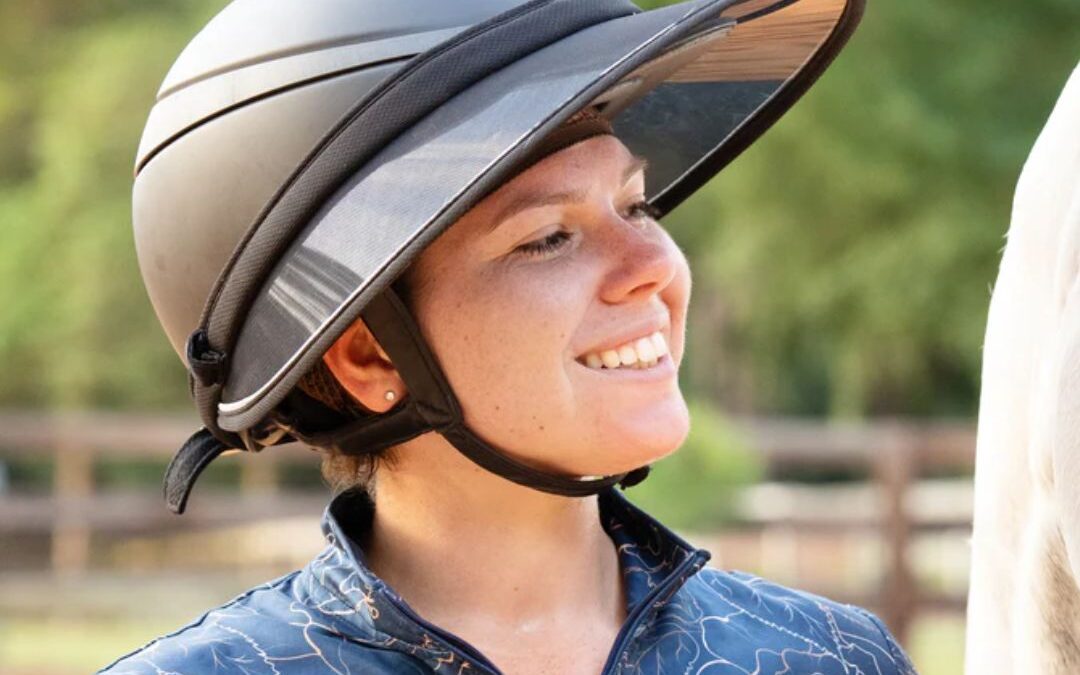
Choosing the right horse riding wear is one of the most important decisions you will make as a rider — whether you are preparing for your first lesson at a Victoria riding school, competing on the dressage circuit, or heading out on a weekend trail ride through the Australian bush. Getting your equestrian kit right goes beyond aesthetics. It directly affects your safety, your comfort in the saddle, your horse’s performance, and how long your gear lasts season after season.
Australian riders face a unique set of conditions. The climate ranges from Melbourne’s cool winters and changeable springs to the heat of inland Victoria and Queensland summers. Riding disciplines vary enormously — from elite dressage and showjumping to endurance riding and casual hacking. And the standard of equestrian gear available in Australia has never been higher, with premium international brands now accessible through specialist retailers like Cheval Sport, based in Yan Yean, Victoria.
This guide covers everything — from what to wear on your very first ride, to how to build a competition-ready wardrobe, care for your leather tack, and choose the saddle and bridle setup that genuinely suits your horse. Let’s get into it.
What Is Horse Riding Attire Called?
Horse riding attire is broadly referred to as equestrian apparel or riding kit. Within the equestrian community, you will also hear the terms turnout (for competition dress), hacking attire (for leisure riding), and schooling wear (for everyday training sessions). The specific combination of garments and protective gear depends on your riding discipline, whether you ride English or Western, and your level of competition.
For English riders — which covers dressage, showjumping, eventing, and show riding — the core equestrian kit includes:
- An approved riding helmet that meets Australian Standards
- Fitted breeches or jodhpurs
- Tall riding boots or jodhpur ankle boots with matching half-chaps
- A close-fitting shirt, often with a stock tie for competition
- A show coat or tailcoat depending on the level
- Riding gloves for grip and hand protection
Across Australia, Equestrian Australia sets the dress code standards for affiliated competitions. It is worth reviewing the current rulebook for your discipline before purchasing competition wear, as requirements can update between seasons.
What Do Riders Wear? A Discipline-by-Discipline Breakdown
The answer varies significantly across disciplines. Here is how Australian riders typically dress across the most common equestrian pursuits:
| Discipline | Typical Riding Wear | Key Gear Notes |
|---|---|---|
| Dressage | White breeches, dark show coat or shadbelly, tall boots, approved safety helmet | Full-seat breeches for grip, polished tall boots essential; top hats are strictly banned. |
| Showjumping | Beige or white breeches, show coat, tall boots, certified helmet | Body protector recommended; back protectors now common |
| Eventing | Cross-country: coloured helmet, mandatory body protector; dressage: formal turnout | BETA-rated or equivalent body protector strictly required for cross-country |
| Trail / Hacking | Comfortable breeches or jodhpurs, ankle boots or short boots with half-chaps, casual jacket | Helmet always required; comfortable breathable fabrics for Australian heat |
| Endurance | Technical riding tights, short boots, lightweight shirt and jacket | Sun protection critical; moisture-wicking fabrics preferred |
What Do Female Horse Riders Wear?
Female riders wear the same core equestrian kit as their male counterparts — breeches, helmet, boots, and jacket. The key differences tend to lie in cut and fit. Women’s breeches are cut for a female silhouette and are available in knee-patch or full-seat styles. Many women riders competing in dressage opt for full-seat breeches for maximum grip in the saddle. For training, high-waist performance riding tights have become increasingly popular in Australia — they pair well with short boots and half-chaps for everyday schooling.
Choosing the Right Horse Riding Boots for Australian Riders
Few pieces of horse riding wear are more important — or more personal — than your boots. The right pair of horse riding boots provides foot and ankle protection, helps you maintain correct leg position in the stirrup, and ensures your foot cannot slide through in the event of a fall.
The most important safety feature in any equestrian riding boot is a defined heel of at least 2.5 cm. This prevents the foot from slipping through the stirrup iron, which is one of the most common causes of serious rider injury. Beyond safety, boot selection depends on your discipline, your budget, and whether you are riding in hot Australian summers or cooler Victorian winters.
Types of Riding Boots:
- Tall riding boots (field boots / dress boots): The classic choice for English disciplines. Leather tall boots offer unmatched support, durability, and a refined appearance. Premium options from Kingsley Boots, available through Cheval Sport, are custom-made to the rider’s leg measurements — essential for riders with non-standard calf widths or leg lengths.
- Jodhpur boots (paddock boots): Ankle-height boots worn with half-chaps. A practical everyday option for training and hacking.
- Half-chaps: Not boots themselves, but paired with short boots to mimic the leg coverage of a tall boot. A cost-effective option for newer riders.
- Country / rubber boots: Practical for yard work and wet conditions. Not ideal for riding but useful for stable management.
Custom Riding Boots: When Off-the-Shelf Doesn’t Fit
Many Australian riders — particularly those with narrow ankles, wide calves, or longer than standard leg proportions — find off-the-shelf tall boots impossible to fit correctly. Custom Kingsley riding boots, available through Cheval Sport, are individually crafted to each rider’s measurements. The result is a boot that fits like a second skin, provides correct ankle and calf support, and lasts significantly longer than a generic fit. For serious dressage and competition riders in Victoria and across Australia, custom boots are genuinely worth the investment.
What Are Equine Riding Boots?
Equine riding boots — sometimes called horse boots — are protective boots worn by horses on their legs, not by riders. They are used to protect tendons, fetlocks, and hooves during exercise and competition. Do not confuse these with rider footwear. If you are searching for leg protection for your horse, explore the horse care collection at Cheval Sport, which includes leg protection and related equine care products.
Equestrian Helmets: The Non-Negotiable Part of Your Riding Kit
No piece of horse riding wear is more critical than your helmet. In Australia, riding helmets must comply with Equestrian Australia safety standards and carry appropriate certification marks. Equestrian Australia is currently implementing a progressive safety overhaul. While standards like AS/NZS 3838, PAS 015, VG1 01.040, and ASTM F1163 are accepted during the current phase-out grace period, national rules will require helmets to meet at least two ongoing safety standards simultaneously by 1 January 2029. Existing yellow tags expire at the end of 2026, meaning all riders must progressively transition to the new green helmet tags.
Key points for Australian riders selecting an equestrian helmet:
- Always buy from a reputable equestrian specialist — certified helmets sold through specialist retailers are genuine and unmodified
- Replace your helmet immediately after any impact, even if no visible damage is apparent
- Helmets have a recommended service life — check the manufacturer’s guidance, typically 3–5 years from date of manufacture
- Fit is everything — a helmet that moves on your head provides significantly less protection
- For competition, check current Equestrian Australia dress regulations for your specific discipline and level
If you are unsure which helmet standard applies to your competition, contact Equestrian Australia directly or speak with the team at Cheval Sport, who can guide you based on your discipline and current rules.
What Is a Horse Riding Jacket Called?
The riding jacket goes by several names in the equestrian world. In everyday riding and show ring contexts, it is most commonly called a show coat or hacking jacket. At the higher levels of dressage — Prix St Georges and above — riders traditionally wear a shadbelly (also called a tailcoat), which features a cutaway front and long tail at the back.
For casual riding and schooling sessions, a fitted technical riding jacket or quarter-zip top is perfectly appropriate. Australian riders who ride through variable Victorian weather often choose layering systems — a moisture-wicking base layer, a mid-layer fleece, and a waterproof outer — rather than a single heavy jacket.
Competition jackets worn for English disciplines in Australia are traditionally solid, conservative dark colours — such as navy, black, or dark green. Under current Equestrian Australia guidelines, a wider range of solid colors is now permitted, provided they are not multi-colored or patterned with wide contrast stripes. Check the current rulebook for your specific discipline, as color regulations can vary between the show ring, dressage, and eventing.
Saddlery: The Heart of Your Horse Riding Setup
Beyond what the rider wears, the saddlery you choose — your saddle, bridle, stirrups, and associated leatherwork — has the single greatest impact on how your horse moves and how effectively you can ride. Quality saddlery is an investment, not an expense, and Australian riders increasingly understand the value of sourcing from premium brands with genuine craftsmanship behind them.
At Cheval Sport’s saddlery collection, you will find a carefully curated range of premium brands trusted by riders across Victoria and Australia, including Frank Baines, Envy, Kieffer Paris and more. Click here for more information.
Dressage Saddles: What Sets Them Apart
A dressage saddle is designed with a deep seat, straight flap, and long, close-contact leg position to allow the rider to sit tall, maintain vertical alignment, and give subtle leg aids without interference from the saddle flap. Unlike a jumping saddle — which has a forward-cut flap to accommodate a shorter stirrup and two-point position — a dressage saddle positions the rider’s leg almost vertically beneath the hip.
For Australian riders competing in affiliated dressage, saddle fit is scrutinised closely by coaches and judges alike. A poorly fitted saddle that restricts shoulder movement will show in your horse’s marks. Many Victorian dressage riders invest in a professional saddle fitting service when purchasing from specialist retailers — something the team at Cheval Sport can assist with.
Saddle Pads: Not Just for Aesthetics
Quality saddle pads serve a functional purpose well beyond protecting the underside of your saddle. The right pad helps distribute pressure evenly across the horse’s back, wicks moisture away from the skin during work, and can be used with shims or inserts — such as those from Bliss and Thinline — to fine-tune saddle fit between professional fittings.
For dressage, square-cut pads in white or cream are traditional and required in competition. For showjumping and eventing, shaped pads that sit neatly under the saddle flap are preferred. For everyday training in Australian conditions, antibacterial and quick-drying synthetic pads are excellent practical choices.
Horse Bridles: Choosing the Right Fit for Your Discipline
The horse bridle is the primary means of communication between rider and horse via the reins and bit. In English riding, the two most common bridle styles are the snaffle bridle (a single bit, used at lower levels and most everyday training) and the double bridle (a bradoon and curb bit combination, used at advanced dressage levels).
Premium bridles available through Cheval Sport — including those from Uniq Bridles and Reigns — use quality rolled or stitched leather that softens and moulds over time to the horse’s head shape. When selecting a bridle, assess:
- Head size — pony, cob, full, or warmblood sizing
- Bit type required for your discipline and horse’s comfort
- Leather quality — bridle leather should be supple, consistently thick, and stitched firmly at all stress points
- Padding — padded headpieces and nosebands have become standard in performance bridles as they reduce poll pressure
- Anatomical design — cut-back headpieces clear the horse’s ears and reduce pressure behind the poll
Always have your bridle assessed for fit when you first receive it, and recheck fit regularly as your horse’s condition changes with work and season.
Stirrups, Leathers, and Rider Safety Accessories
Stirrup selection has evolved significantly in recent years. The introduction of safety stirrups — with breakaway sides, flexible arms, or magnetic release mechanisms — has made a meaningful difference to rider safety outcomes. Tech Stirrups, available through Cheval Sport, are among the most technically advanced options on the market, with stainless steel and composite designs engineered for both safety and performance.
When choosing stirrup leathers, quality matters. Cheap leathers can stretch unevenly, causing asymmetrical leg position — a surprisingly common issue that frustrates many riders and their coaches. Premium bridle leather or synthetic alternatives with minimal stretch are worth the investment for regular riders.
Other rider accessories worth considering include:
- Riding gloves — essential for grip in wet conditions and to protect hands from rein rub
- Spurs — used correctly by experienced riders as an extension of the leg aid, not a replacement for it
- Body protectors — particularly important for cross-country, jumping, and young or unpredictable horses
- Back protectors — increasingly used in Australian eventing and showjumping
- Riding socks — thick, seamless socks reduce friction inside tall boots during long rides
Caring for Your Leather Horse Riding Wear and Saddlery
Premium leather tack and riding wear represent a significant investment — and with the right care, quality leather products can last decades. Australian conditions — particularly the combination of heat, UV exposure, and humidity variation — place additional stress on leather compared to cooler European climates where many of these products are manufactured.
A basic leather care routine for Australian riders should include:
- Clean after every use: Wipe down with a barely damp cloth to remove sweat and dirt before it dries and cracks the leather
- Condition regularly: Apply a quality leather conditioner — Carr & Day & Martin products, available through Cheval Sport’s leather care range, are a trusted choice among Australian riders and professional saddlers
- Store away from heat and direct sunlight: Leather dries and cracks when repeatedly exposed to high temperatures
- Check stitching regularly: Particularly at stress points on bridles, stirrup leathers, and girth straps
- Use appropriate soap: A genuine glycerine or pH-neutral leather soap — not household cleaners, which strip natural oils
For synthetic tack and saddle pads, most can be wiped clean with warm water and a soft brush. Always check manufacturer guidance before washing synthetic saddle pads to avoid damaging foam cores or shim pockets.
Is Horse Riding Good for Hip Arthritis?
This question comes up frequently in Australian equestrian communities, particularly among older riders. Anecdotally, many physiotherapists note that gentle horse riding can support hip mobility, core engagement, and balance. The rhythmic motion of the horse activates deep stabilising muscles and may help maintain range of motion in the hip joint for some individuals.
However, every individual’s situation is different. Riders with hip arthritis should consult their GP or physiotherapist before continuing or commencing horse riding. If cleared to ride, proper saddle fit becomes especially important — a poorly fitted saddle that forces an asymmetrical hip position can worsen hip pain significantly. Quality saddle pads with shock-absorbing properties, such as those from Thinline, can help reduce impact transmission to the rider’s joints during work.
This is general information only and does not constitute medical advice. Always seek professional medical guidance for any health condition.
Building Your Horse Riding Wear Kit: Where to Start
If you are new to riding in Australia — or upgrading from beginner gear — the approach to building your equestrian wardrobe should be strategic rather than impulsive. Here is a practical priority order for riders at different stages:
Beginner Riders
- Certified riding helmet (first priority — never compromise here)
- A pair of jodhpurs or fitted breeches
- Jodhpur boots with a solid heel, or short boots with half-chaps
- Riding gloves
- A fitted shirt or light riding jacket appropriate for the season
Intermediate Riders and Regular Competitors
- Tall leather or synthetic riding boots (consider custom fit)
- Discipline-appropriate show coat
- Full-seat breeches for dressage; knee-patch for jumping
- Body protector if jumping or riding young horses
- Premium saddle pad and stirrup irons suited to your discipline
Advanced and Professional Riders
- Custom Kingsley riding boots — for fit, performance, and longevity
- Professional saddle fitting with a premium brand through Cheval Sport
- Double bridle setup for dressage progression
- Complete leather care kit — Carr & Day & Martin range
- Tech Stirrups for safety and performance
- Thinline or Total Saddle Fit saddle pads for fine-tuned comfort
Equestrian Fashion Trends in Australia — 2026
Equestrian fashion in Australia has evolved significantly in recent years. The rigid formality of traditional show ring turnout has softened for everyday riding, while competition dress standards at affiliated levels remain precise and well-defined. Key trends Australian riders are embracing in 2026 include:
- Technical fabrics for training: Silicone-grip breeches, moisture-wicking base layers, and four-way stretch riding tights have largely replaced cotton and polyester blends for schooling sessions
- Minimal colour palettes: White, cream, sand, and navy dominate competition turnout; slate grey and charcoal are popular for training wear
- Anatomical design in saddlery: Padded, pre-curved headpieces and anatomically shaped saddle panels are now expected at premium price points
- Sustainability: Synthetic saddle alternatives and ethically sourced leather options are increasingly requested by Australian buyers
- Custom and bespoke: Demand for custom riding boots and bespoke saddles continues to grow across Victoria and New South Wales — riders are prioritising fit and longevity over fast fashion
Cheval Sport stays across these trends, ensuring its product range reflects what Australian riders actually want and need — not just what’s fashionable in European markets.
Frequently Asked Questions About Horse Riding Wear
What do people wear when riding a horse?
Riders wear an approved equestrian helmet, fitted breeches or jodhpurs, riding boots with a defined heel, gloves, and a close-fitting shirt or jacket. For competition, specific colours and styles apply depending on the discipline and level.
What do English horse riders wear?
English riders wear white or light-coloured breeches (or jodhpurs for lower levels), tall leather riding boots, a dark show coat, a collared shirt with a stock tie for competition, and a certified helmet [Equestrian Australia Dressage Equipment Annex – Version 23 – 01.01.2026]. Advanced dressage riders wear a shadbelly at relevant levels, which must always be paired with an approved safety helmet [Equestrian Australia Dressage Equipment Annex – Version 23 – 01.01.2026].
What is a horse riding jacket called?
A horse riding jacket is called a show coat or hacking jacket for general and competition use. In advanced dressage, a shadbelly or tailcoat is worn. Everyday training jackets are often called technical riding jackets or riding coats.
What should you wear while riding a horse?
Always wear an Australian Standards-approved helmet, fitted breeches or jodhpurs, riding boots with a heel of at least 2.5 cm, and gloves. A body protector is strongly recommended for jumping, cross-country, and riding young horses.
How should riding boots fit?
Riding boots should fit snugly around the calf and ankle with no excess movement, without being restrictive. The toe box should allow the toes to sit comfortably, and the heel should be well-defined — at least 2.5 cm. New leather tall boots will be stiff initially and will mould to the leg over time. Custom-fitted boots eliminate fitting issues for riders with non-standard leg measurements.
How often should saddle pads be washed?
Saddle pads should be cleaned after every use or every couple of rides at minimum. Sweat and dirt left on the pad can irritate the horse’s back skin and reduce the pad’s performance. Follow the manufacturer’s care instructions — many quality saddle pads can be machine washed on a gentle cycle, while those with shims or foam inserts require hand washing.
Finding the Right Horse Riding Wear for You
Investing in the right horse riding wear is one of the most rewarding decisions you will make as an Australian rider. From your very first helmet to a custom pair of Kingsley boots, from a beautifully crafted Bliss of London dressage saddle to a correctly fitted Uniq Bridle — every piece of your equestrian kit contributes to how you ride, how safe you are, and how your horse performs.
The equestrian community in Victoria and across Australia has access to some of the finest saddlery and riding apparel in the world. Cheval Sport, based in Yan Yean, Victoria, brings that world-class standard to Australian riders — with expert knowledge, premium brands, and a genuine commitment to helping horse and rider perform at their best.
Whether you are outfitting yourself for your first season of competition, looking for custom riding boots that finally fit correctly, or upgrading your dressage saddlery setup, the Cheval Sport team is ready to help you get it right.