
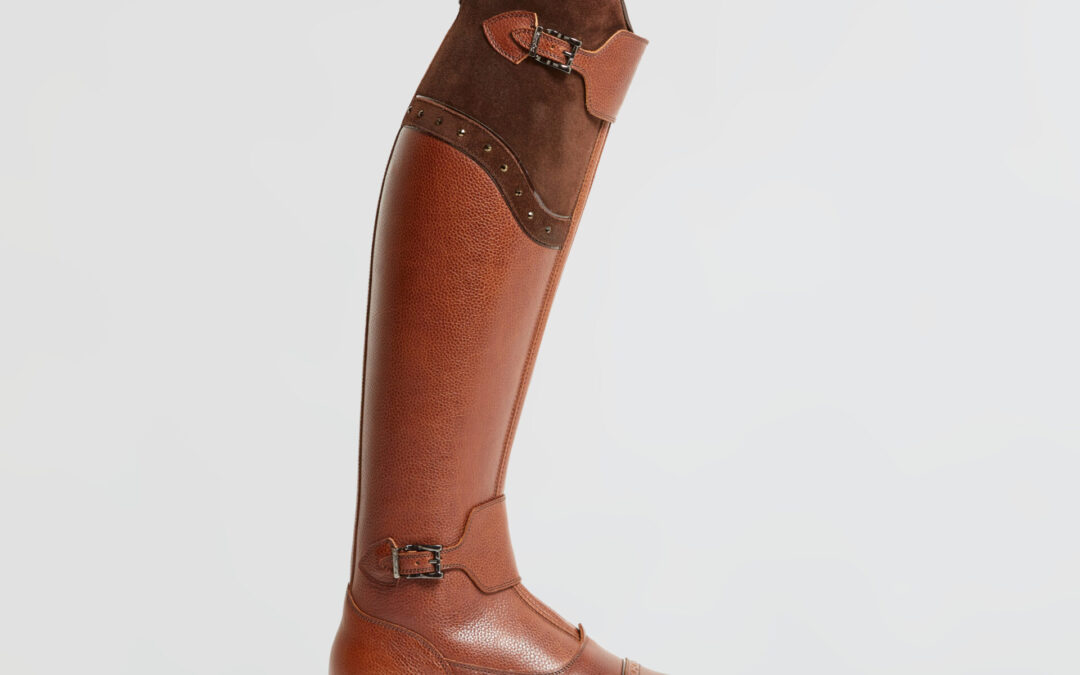
Let’s be real for a sec — most of us have rocked up to the yards in an old pair of work boots at some point, crossed our fingers, and got on with it. No judgement. But once you’ve slipped into a proper pair of equine riding boots, there’s no going back. The difference is massive, and not just for comfort.
Your footwear is one of the most safety-critical pieces of kit you own as a rider. A boot that fits right, grips the stirrup correctly, and supports your ankle properly could genuinely save you from a nasty incident — or just make a long day in the saddle a whole lot more bearable.
In this guide, we’ll break down everything you need to know about equine riding boots in plain English. What they are, what they do, what you should expect to pay, and how to keep them in top nick for years. Whether you’re a weekend trail rider or competing on the regular, this one’s for you.
What Are Equine Riding Boots?
Simply put, equine riding boots are footwear designed specifically for horse riding. They’re purpose-built for the saddle — not the street, not the paddock (though a good pair handles both just fine). The key things that set them apart from your everyday boot are the heel, the sole, and the shaft height.
A proper riding boot isn’t just a fashion choice — it’s a piece of safety equipment that happens to look brilliant.
There are a few main styles you’ll come across:
Tall Riding Boots (Full-Length)
These come up to just below the knee and are what most people picture when they think “riding boot.” They’re standard in English disciplines like dressage, show jumping, and eventing. Tall boots offer great leg protection, clean contact with the horse’s side, and a polished look in the arena.
Paddock Boots (Jodhpur Boots)
Shorter ankle-length boots that are brilliant for everyday riding and stable work. Often paired with half-chaps for added leg coverage. They’re practical, affordable, and super versatile — perfect for Aussie riders who switch between yard duties and riding without wanting to change footwear.
Western Riding Boots
Designed for Western disciplines, these feature a distinctive heel, pointed or rounded toe, and decorative stitching. Common in Australian stock horse riding, campdrafting, and rodeo events.
Country / Yard Boots
A hybrid style that bridges work boot and riding boot. Great for light riding and heavy-duty yard work. Not ideal for competitive riding but brilliant for the everyday Aussie hobby rider.

Whichever style suits your riding, the non-negotiables stay the same: a defined heel of at least 2.5cm (to prevent your foot slipping through the stirrup), a smooth or lightly textured sole, and enough ankle support to keep you steady in the saddle.
Browse the full range of riding boots at Cheval Sport — there’s something for every style and every budget.
What Purpose Do Equine Riding Boots Fulfil?
Okay, so we know what they are — but why do they actually matter? Can’t you just wear any old boot? Technically yes. Should you? Definitely not. Here’s what a proper pair of equine riding boots actually does for you.
1. Safety First — Stirrup Security
The heel on a riding boot isn’t just for style. It’s a safety feature. That defined heel stops your foot sliding all the way through the stirrup iron — which, if your horse spooks and you come off, could mean the difference between walking away and being dragged. It’s one of those things you don’t think about until it matters. A lot.
2. Better Communication With Your Horse
Riding is all about subtle communication. A boot with a smooth, thin sole gives you far better feel through the stirrup, making your leg aids clearer and more precise. Thick rubber soles reduce that sensitivity. Your horse will thank you.
3. Ankle and Leg Support
Whether you’re out on trails or drilling flatwork in the arena, your ankles take a fair load over long riding sessions. Riding boots provide structured support that reduces fatigue and helps keep your position correct — heels down, leg long, all that good stuff.
4. Protection From the Elements (and the Horse)
A horse’s hoof near your foot is not a fun experience in thongs. Riding boots protect your lower leg from brush, branches, stirrup leather rub, and the occasional errant hoof. Tall boots in particular offer solid shin protection during jumping and cross-country work.
5. Grip and Stability on the Ground
You’re not just in the saddle — you’re also leading, grooming, and mucking out. A good riding boot handles slippery stable floors and muddy paddocks with ease. That’s particularly handy for us Aussies, where weather can flip from dry dust to slick mud in the same arvo.
Quick tip for Aussie riders: If you’re riding in summer heat, look for boots with breathable linings or mesh panels. Sweating through a leather boot in 38°C is, to put it politely, not ideal.
6. Discipline-Specific Performance
Different riding styles demand different things from your footwear. Dressage riders need a sleek, stiff boot that sits flush against the horse. Eventers need grip and durability. Western riders need comfort over long hours and a boot that looks the part in the show pen. The right boot for your discipline isn’t a luxury — it’s a performance choice.

Want to go deeper on finding the right fit for your riding style? Check out the full riding apparel collection at Cheval Sport — boots, breeches, helmets and more, all in one place.
Cost and Pricing Considerations
Right, let’s talk dollars. One of the most common questions we get is: “How much should I actually spend on riding boots?” Honest answer — it depends on how often you ride and what you’re riding for. Here’s a rough guide to what’s out there and what you get for your money.
| Price Range (AUD) | Boot Type | Best For | What to Expect |
|---|---|---|---|
| $80 – $200 | Entry-level paddock / synthetic tall boots | Beginners, occasional riders | Functional and safe. Synthetic materials. Fine for lessons and casual hacks. |
| $200 – $450 | Mid-range paddock, rubber tall boots | Regular weekend riders | Better durability and comfort. Good for club-level competitions. Best Value |
| $450 – $900 | Leather tall boots, quality Western boots | Serious amateurs, frequent competitors | Real leather, longer lifespan, superior feel and fit. Worth the investment if you ride 3+ times a week. |
| $900+ | Premium / custom-fit tall boots | Professionals, elite competitors | Custom measurements, top-tier leather, bespoke fit. These last a decade or more with proper care. |
Is It Worth Spending More?
Generally — yes, up to a point. A $150 synthetic boot will do the job for a casual rider. But if you’re in the saddle three times a week, a $400–$600 leather boot will outlast three or four pairs of budget alternatives. Do the sums and the better boot usually wins on cost-per-wear.
There’s also the fit factor. Cheaper boots often come in limited width fittings, which is a real problem for riders with wider calves or feet. Spending a bit more usually gets you more sizing options — and a boot that actually fits properly does everything better.
Half-Chaps: A Smarter Budget Move
Not ready to invest in tall boots? A quality pair of paddock boots paired with leather half-chaps gives you similar leg coverage and protection at a lower price point. It’s the classic “Aussie rider hack” that works a treat. You can browse chaps and paddock boot combos at Cheval Sport — they stock options for all budgets.
The cheapest boot isn’t the most economical boot. Buy quality once, not budget boots twice a year.
Maintenance and Care Guide
You’ve spent good money on a quality pair of equine riding boots. Now let’s make sure they actually last. Proper care isn’t complicated, but it does need to be consistent. Here’s what to do.
For Leather Boots
- Clean after every ride. Use a slightly damp cloth to wipe off dirt, sweat, and arena grime before it sets in. Don’t use harsh detergents — they strip the leather’s natural oils.
- Condition regularly. Apply a quality leather conditioner every 2–4 weeks (more in dry, hot Aussie summers). This keeps the leather supple and prevents cracking. Dry leather cracks — and cracks are the beginning of the end.
- Polish for protection. A good boot polish does more than make your boots shine — it adds a protective layer against moisture and scuffing. For competition boots, this is non-negotiable.
- Dry properly. Never put wet leather boots near a direct heat source (heater, campfire, boot dryer on high). Stuff them with newspaper or use boot trees and let them air dry naturally.
- Store correctly. Use boot trees or stuff with newspaper to maintain the shaft shape. Store in a cool, dry place — not stuffed in a damp boot bag or left in a hot car. Australian summers will wreck unprotected leather fast.
- Deal with zips gently. If your tall boots have zips, wax them occasionally to keep them running smoothly. A stuck zip is a frustrating and expensive problem.
For Synthetic / Rubber Boots
- Rinse with clean water after muddy rides. Most rubber and synthetic boots handle a hose-down just fine.
- Use a mild soap or boot cleaner to remove stubborn dirt. Avoid solvents or harsh chemicals that can break down synthetic materials.
- Air dry out of direct sunlight — UV exposure degrades synthetic materials over time.
- Apply a silicone spray or synthetic boot conditioner to maintain flexibility and water resistance.
When to Replace Your Boots
Even well-loved boots have a lifespan. It’s time for a new pair when you notice: the heel has worn down significantly, the sole is separating, the shaft has cracked or split, or the fit has changed so much they’re causing discomfort. A worn-down heel is a safety risk — don’t push it.
The Cheval Sport online store stocks boot care essentials alongside their boot range — so you can grab what you need in one order.
Key Takeaways
Equine riding boots aren’t just about looking the part (though they do that too). They’re a genuine safety item, a performance tool, and — with the right care — a long-term investment that pays for itself over and over.
Here’s the short version:
- Choose a style that suits your discipline — tall boots for English, Western for stock work, paddock boots for everyday riding.
- Never compromise on the heel height — it’s the most critical safety feature.
- Spend what you can afford, but remember: better boots last longer and perform better.
- Clean, condition, and store your boots properly — it makes a huge difference to longevity.
- If you’re unsure, ask — the team at Cheval Sport knows their gear and can point you in the right direction.
Frequently Asked Questions
What makes equine riding boots different from regular boots?
The key differences are the defined heel (at least 2.5cm, which prevents your foot slipping through the stirrup), a smooth or lightly textured sole for good stirrup feel, and a shaft designed to protect your leg and maintain close contact with your horse. Regular work boots or fashion boots often lack these features, making them genuinely less safe to ride in.
Are leather or synthetic riding boots better?
Both have their place. Leather boots are more durable, mould to your foot over time, and look superior in the arena — but they require more maintenance and cost more upfront. Synthetic and rubber boots are affordable, easy to clean, and great for wet conditions and yard work. For serious or frequent riders, leather is the better long-term investment. For beginners or casual riders, quality synthetic boots are perfectly fine.
How should equine riding boots fit?
Riding boots should fit snugly but not painfully. Your toes should have a little room to move, your heel should sit firmly in the boot without lifting when you walk, and the shaft of a tall boot should fit close to your calf without pinching. Many riders find they need a half size down from their regular shoe size. Try boots on with the type of socks you’d wear riding, and if shopping online, check the brand’s sizing guide carefully.
Can I wear riding boots for everyday use?
You can, but it’s not ideal for the boots or your feet. Riding boots are designed for the stirrup, not extended walking on hard surfaces. The heel and sole wear down faster with street use, and the fit can change with heavy walking. If you want a boot that crosses over, look for country or heritage-style riding boots — they’re more versatile and handle both yard life and casual wear well.
How long should a good pair of equine riding boots last?
With proper care, quality leather tall boots can last 5–10 years or more. Mid-range boots typically last 3–5 years with regular use. Budget synthetic boots might last 1–2 seasons depending on frequency of use. The biggest factors are how often you ride, how well you maintain them, and the initial quality of the boot. Regular cleaning and conditioning makes a dramatic difference to lifespan.
Do I need different boots for different disciplines?
Not necessarily at the recreational level, but yes if you’re competing. Different disciplines have specific requirements — dressage and show jumping typically require tall dress boots; Western showing has its own boot standards; eventing needs a grippy, durable boot. If you’re just hacking and training at home, a quality all-rounder paddock boot or mid-height boot works across most situations.
What’s the best way to break in new riding boots?
Start by wearing them around the house for short periods before your first ride. Apply leather conditioner before wearing to soften the material. Gradually increase how long you wear them — don’t do a five-hour trail ride in brand new boots. Thick riding socks can help protect your feet during the break-in period. Most quality leather boots take 2–4 weeks of regular wear to fully mould to your foot and leg shape.